
Exclusive interview: Molly Reynolds, director of A Portrait of Love
Exclusive Interview
|
Louise van Rooyen - Beamafilm
|
02/10/2026
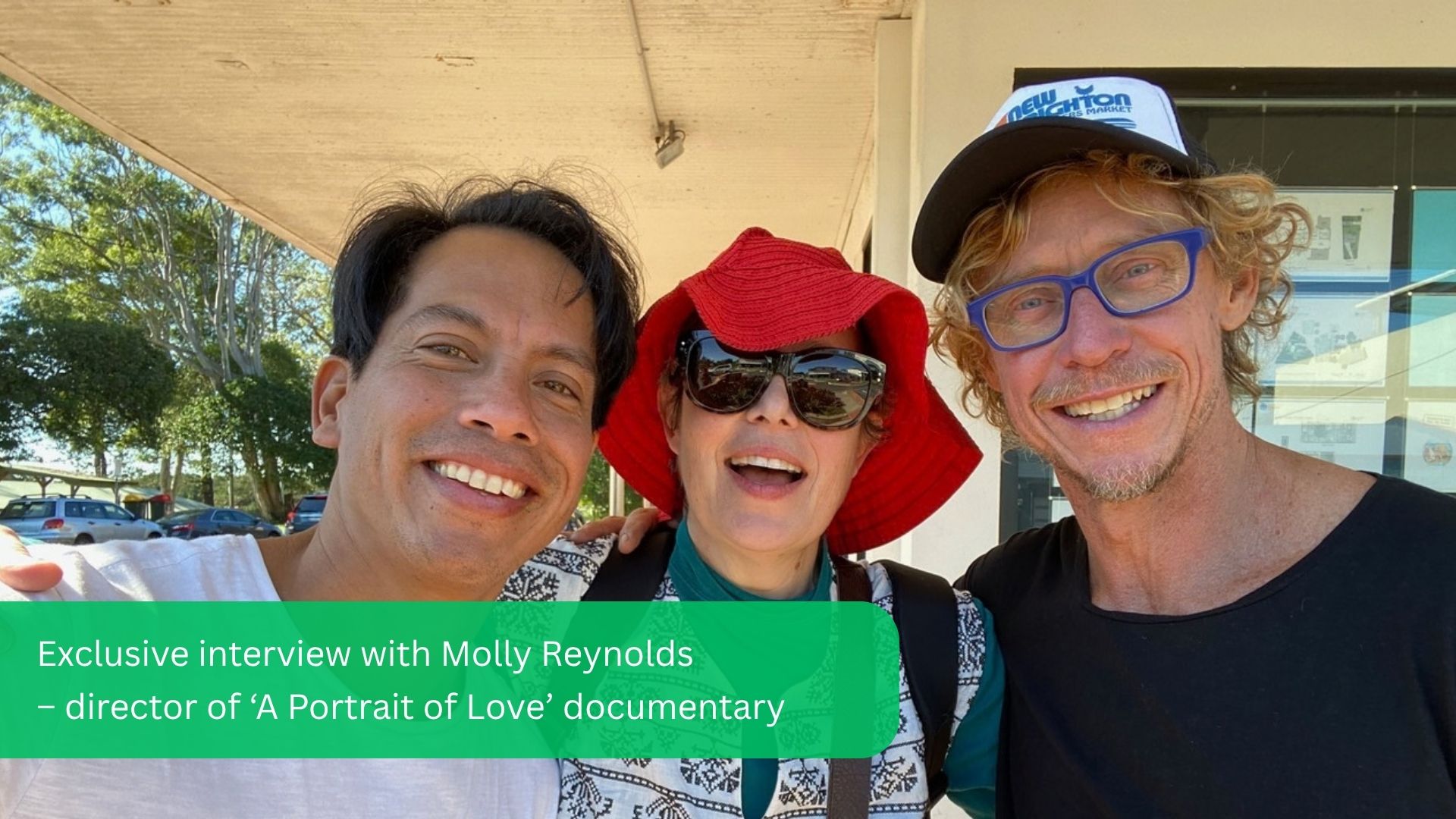
This interview features filmmaker Molly Reynolds discussing her documentary A Portrait of Love, which celebrates the life and love of Australian artist Craig Ruddy and his partner Roberto Meza Mont. Reynolds explains how Craig's sudden death from COVID-19 in 2022 inspired her to create the film using Roberto's personal smartphone footage capturing their twenty-year relationship, Craig's creative process, and their joyful approach to life. She discusses the challenges of crafting an intimate portrait from thousands of unlabeled clips, the film's exploration of love, art, and mortality, and her hope that audiences will be inspired to embrace life fully.
Watch 'A Portrait of Love' on Beamafilm now!
Available for subscribers
Available for rental
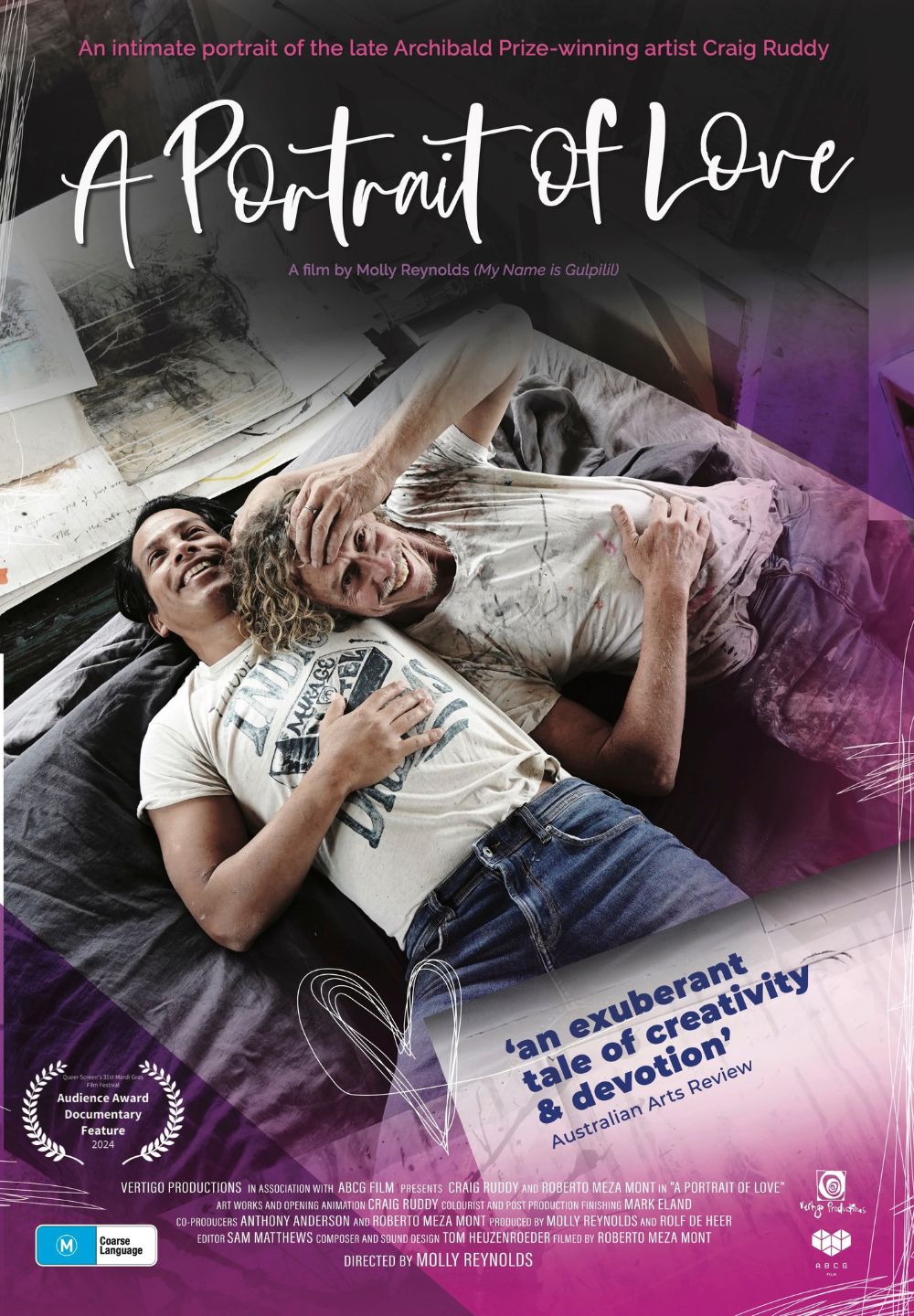
A joyful celebration of the life and loss of Archibald award-winning artist Craig Ruddy, told through the eyes of his loving partner of twenty years.
Director:
Hi Molly, thank you for joining us for this exclusive Beamafilm interview. It is a pleasure to speak with you about your beautiful documentary, A Portrait of Love, offering an intimate portrait of acclaimed Australian artist Craig Ruddy - whose painting of David Gulpilil won the 2004 Archibald Prize. Australian Arts Review described the film as “an exuberant tale of creativity and devotion.”
BEAMAFILM: What first inspired you to tell Craig’s story, and when did you realise it could become a feature documentary?
REYNOLDS: We were all so terribly shocked when Craig suddenly died in early 2022. It was unexpected. Craig was youthful, vibrant, generous, good-hearted, good fun. We lost him to COVID-19. For those of us who knew him, the world suddenly felt smaller, tighter, less exuberant. When one thinks of Craig, one thinks of Roberto and vice versa. They were soulmates and had been for twenty years. Their love and joy for one another infected those who were in their orbit. If we were all slain by grief, then Roberto must have been torn asunder. Roberto, however, has this quality which kept him connected to Craig: a resolve to continue to live life as they had lived it together.
A day or so after Craig had died, I woke up in the early hours of the morning and thought, “Yes, this is what I can do! I will make a documentary celebrating Craig and Roberto’s life together, and I can do this by using Roberto’s footage. This will be my gift to Craig and Roberto.” I then rolled over and returned to sleep.
Agreed, it was a strangely coherent and fully-realised thought for that time of day/night. I knew Roberto was always shooting with his phone. I knew he could hold the camera, tilt and pan smoothly and that he paid attention to the frame. There were stories there, and I knew that with the life they had led, I would find more.
BEAMAFILM: The film explores much more than the life and work of an artist; it is also a story about love, creativity, collaboration and the passage of time. Which themes were most important to you, and how did they shape your approach to the film?
REYNOLDS: Is it too easy to say all of them? You happen to cite themes I find important. I will add industriousness and grace to the list, though. Craig and Roberto were always like, ‘Let’s go and give it our fullest’ They made the act of embracing life seem so effortless. I think that exuberance is what drew people to them. Craig worked hard, very hard, to become the artist he was. I think I had previously thought it was talent alone that set visual artists head and shoulders above the rest. But Craig had a real discipline to his work. When he worked, he became oblivious to the rest of the world. When he wasn’t travelling, he tended to be preoccupied with getting back into the studio. He spent most days and nights at work and was usually, but not always, able to ignore Roberto’s attempts to distract him! 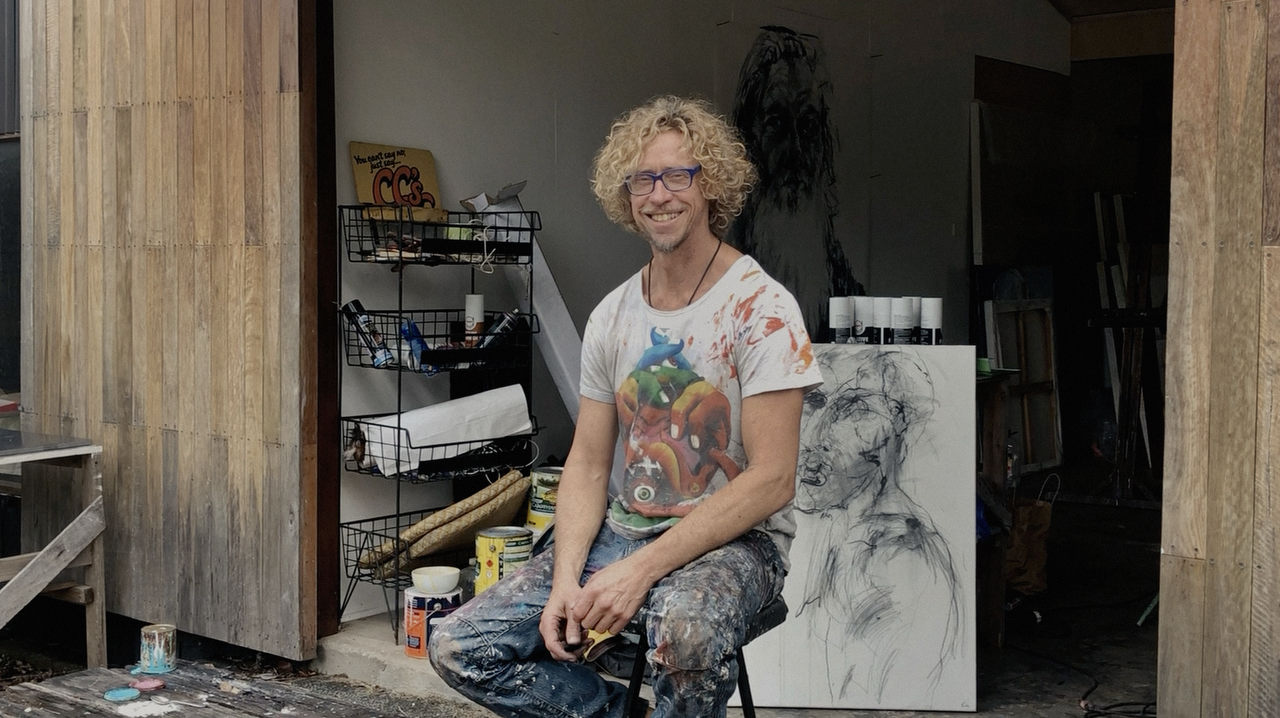
A Portrait of Love Still 1
BEAMAFILM: The documentary takes viewers inside Craig’s private world, including his home and studio. How did you build the trust required to film in such personal spaces, and how did that relationship influence what you were ultimately able to capture?
REYNOLDS: Craig, Roberto and I, along with Rolf de Heer came to know one other through David Gulpilil. Craig had painted his Archibald Prize-winning portrait of David in 2004, and they had taken to visiting David when they learnt he’d been wrestling with lung cancer. Meanwhile Rolf de Heer and I were deep into making a documentary - My Name is Gulpilil, with David. Craig and Roberto’s genuine care and affection for David had us bond easily, and our friendship developed quickly. They were amongst the very few people who visited David more than once, and Craig’s commitment to David was such that he raised money by selling artworks for David’s funeral fund to get David home when he died. As fate would have it, David’s body flew home the same day Craig was farewelled in the Northern Rivers, NSW. Effectively this film began in post-production. I decided to make this film only using footage that Roberto had shot. Roberto is always filming with his smartphone. Always. He was an early adopter, and he’d been shooting for the past decade or so. I correctly surmised that there would be enough material there. But, more importantly, I wanted to capture Craig through Roberto’s eyes and the nature of love, their love.
BEAMAFILM: How did Roberto respond when you first approached them about the documentary? Did their understanding of the project - or their relationship with the camera - change as filming progressed?
REYNOLDS: Once a filmmaker strikes upon an idea that they can’t let go of, it’s only a matter of time before they think about how they can make that idea into a film and for how little they can make it. Once there’s a budget, it becomes about where to get the finance for the budget. With this project I quickly identified opportunities for both reducing budget and raising finance, but I had to move with indecent haste in order to realise them. As well as having Roberto completely committed.
Craig’s farewell ceremony was held the following week, and Roberto had given me, amongst others, the honour of speaking to Craig. I flew to the Northern Rivers in NSW, and while there, I began to talk with Roberto about my idea...I would like to make this documentary; I would like access to everything you have shot, and I would like access to your lives, and I want it all. Oh, yes and look at this contract. Craig was not yet cremated.
Amazingly, Roberto agreed to it all. He had friends who were worried about me taking advantage, and on a number of levels they were probably right to be worried. But I think the idea of making this documentary was, for Roberto, a light at the end of the tunnel. 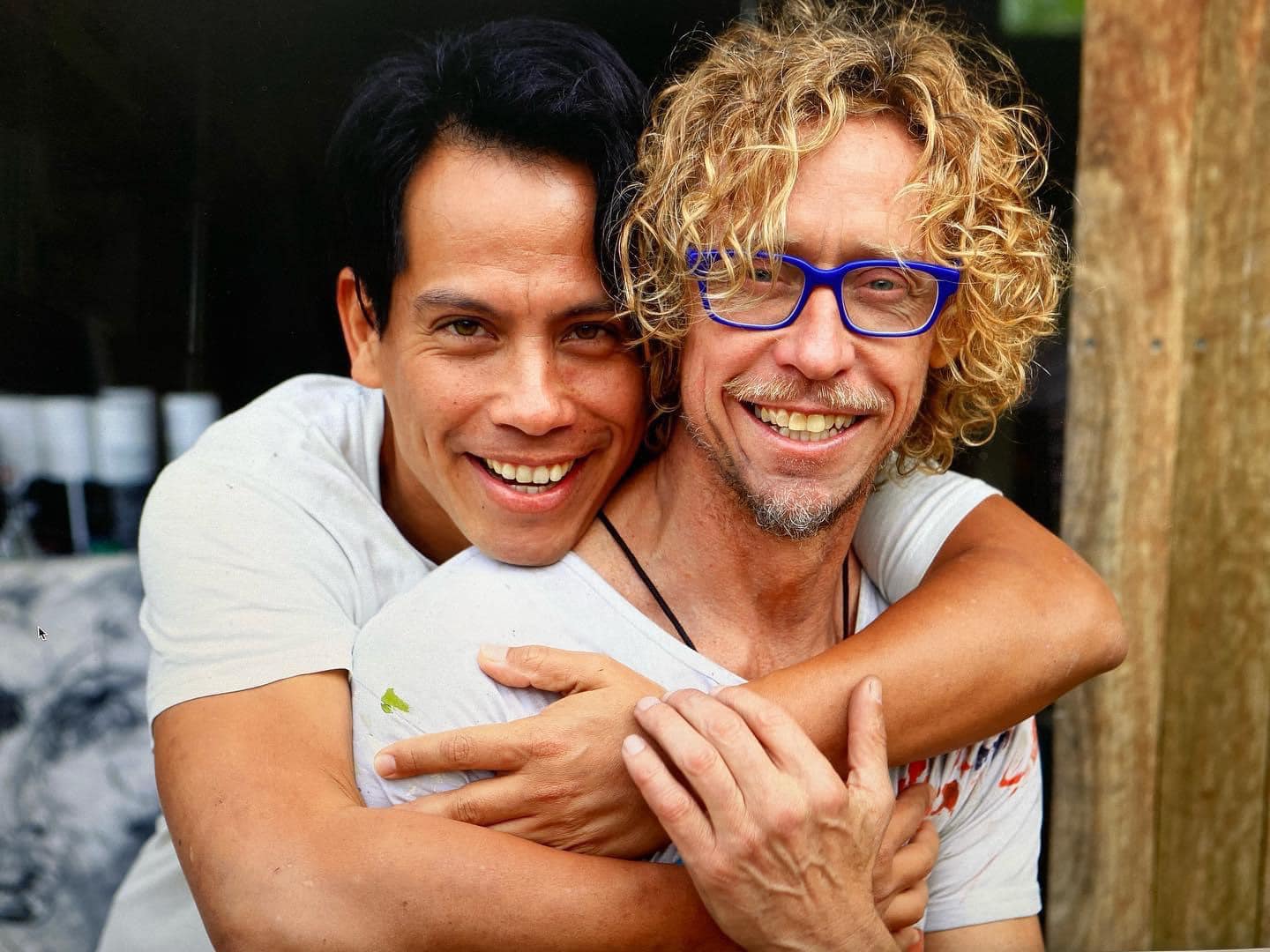
A Portrait of Love Still 2
BEAMAFILM: The film has a strong sense of intimacy and visual beauty. How did you and your creative collaborators translate the textures, colours and physical process of painting into a cinematic experience?
REYNOLDS: This film leans deeply on Craig and his work as an artist. It’s what gives the film visual substance and engagement, other than the dancing, of course! Not only was Craig an artist of calibre, but he had a very physical, sensual way of painting which added to the poetry of a work being realised. Some of the footage of Craig realising a work I find spell-binding because of what comes from that single first stroke. Fortunately our colour grader, Mark, is also a visual artist, so he found it easy enough to watch the film again and again as he balanced the hues, tints, tones and light so the footage was true to the art.
BEAMAFILM: Could you select one or two scenes that were particularly meaningful or challenging to create? What would you like viewers to notice or understand about those moments?
REYNOLDS: All of them were challenging to create! Sam, the editor, and I had more than 5000 clips to view and log, and very few of them had any metadata that could tell us when and where the footage was captured, so we had to manually sort them all. At first we had to find ways to parse the files into format, resolution, and aspect ratio. We had to separate random material, remove duplicates and apply meaningful file structures. Two to three weeks into the edit, we became detectives, looking for patterns and telltale signs to organise the footage into some chronological sense. We had our difficulties. By way of example, Craig has effectively had the one hairstyle, a messy mop, for most of his adult life, which was of no help to us at all. Fortunately, though, Roberto’s hair grows so fast that he changes it on a near-weekly basis, changes that allowed us to cluster footage accordingly.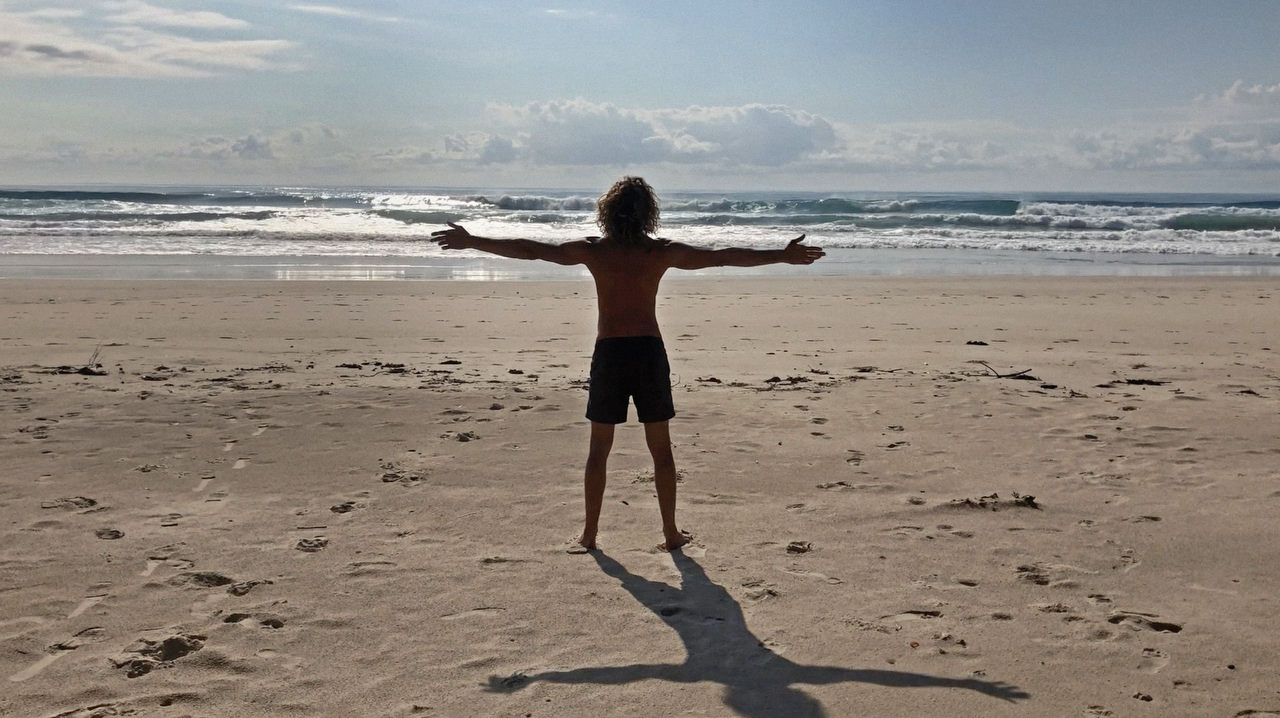
A Portrait of Love Still 3
BEAMAFILM: Were there any memorable, unexpected or especially moving moments behind the scenes that changed the direction of the documentary or deepened your understanding of its subjects?
REYNOLDS: One of the many things I love about Craig and Roberto is that what you see is what you get, and usually it’s an open embrace. This was confirmed to me by the fact that in all 5000 videos we logged, we didn’t encounter what could be loosely defined as awkward material or, more accurately expressed, anything which had me think less of them. Any moving or memorable moments were like gems to us, and we collected them assiduously. Even today, special footage is hard to come by.
BEAMAFILM: Music plays an important role in shaping a documentary’s emotional rhythm. How did you approach the score and sound design for A Portrait of Love, and what did you want them to contribute to the audience’s experience?
REYNOLDS: Ah, sound does the heavy lifting when it comes to the emotional resonance of a film and all credit there goes to Tom Heuzenroeder and his team. While smartphones can produce quality visuals, they are somewhat lacking when it comes to sound, so they had to recraft the sound almost entirely. There were issues with left/right channels depending on whether the camera was rear or front-facing. Proximity and range presented further problems but they too were overcome. Originally, when I spoke with Tom, I estimated that there would be six, maybe eight, sound posts. It proved to be closer to 12 weeks. If he complained, it wasn’t to me! Craig and Roberto loved their music, so we included as much of it as possible so we could be true to their world and audiences could lose themselves in it. 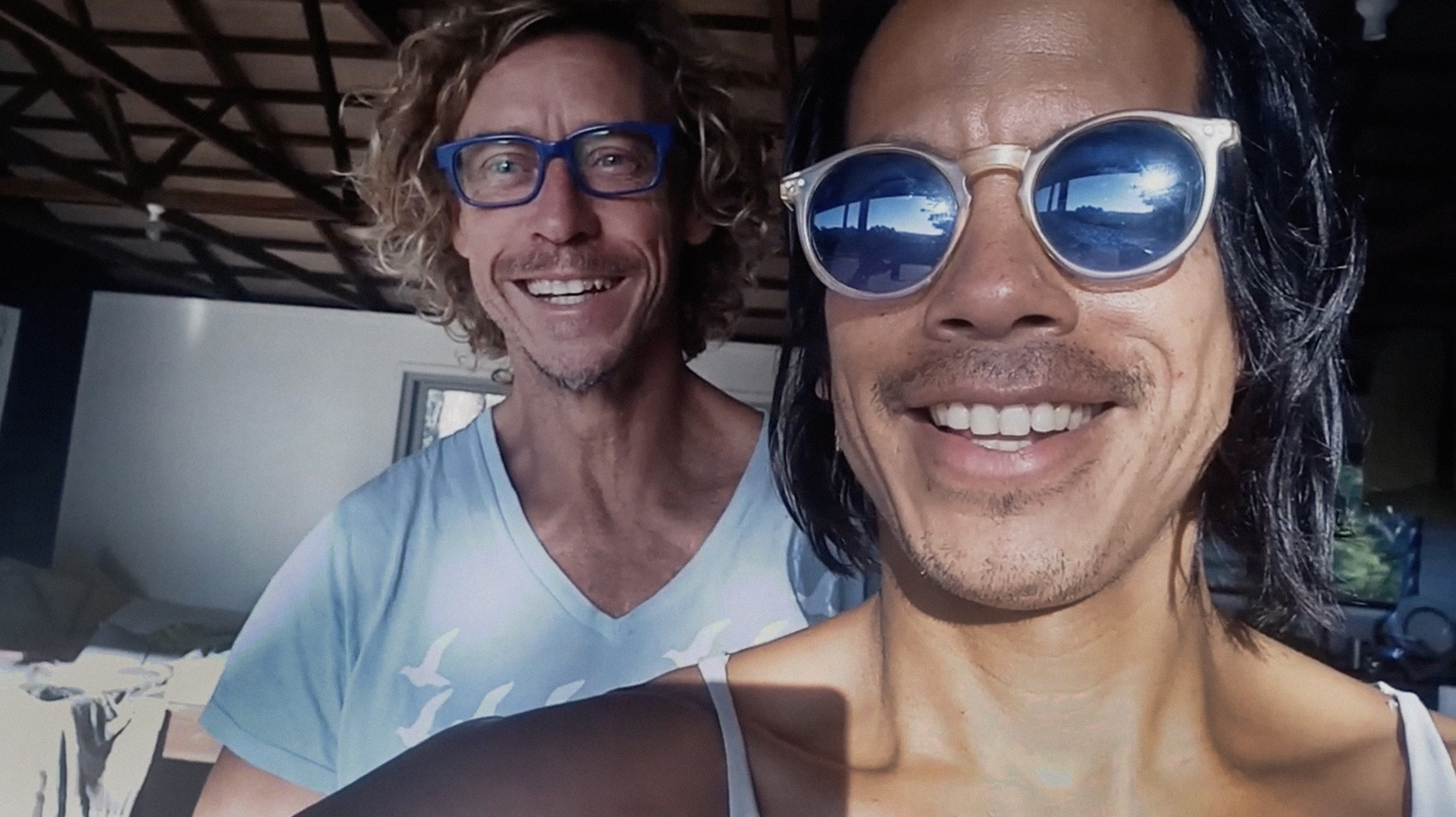
A Portrait of Love Still 6
BEAMAFILM: How have audiences responded to the film so far? Have any reactions or conversations with viewers particularly surprised or stayed with you?
REYNOLDS: The film received the audience award at the Sydney Mardi Gras Film Festival in 2024, so it obviously resonates with queer audiences. But I was struck by the observation that this is a film about the love between two people who happen to be gay, rather than a film about queer love, which usually speaks to the complications that can come with being sexually diverse.
BEAMAFILM: How did making such an intimate film affect you personally and professionally? Did the experience alter the way you think about art, love, mortality or the documentary form?
REYNOLDS: Every film I’ve made has affected me, on both levels. As a documentary film-maker I like to explore form as a way of honing craft. Prior to making A Portrait of Love, I had been mulling, in a low-level way, over the notion of making a film using someone else’s footage, which led me to wonder about the possibilities in creating cinema from smartphone footage. Were audio/visuals like fashion, and could it be upcycled? This documentary allowed me to explore that and, yes, it is possible. On a personal level, this film reminds me to continue to embrace life and all that it has to offer. This openness can hold and fortify us for the difficult times which inevitably present themselves, and often enough. 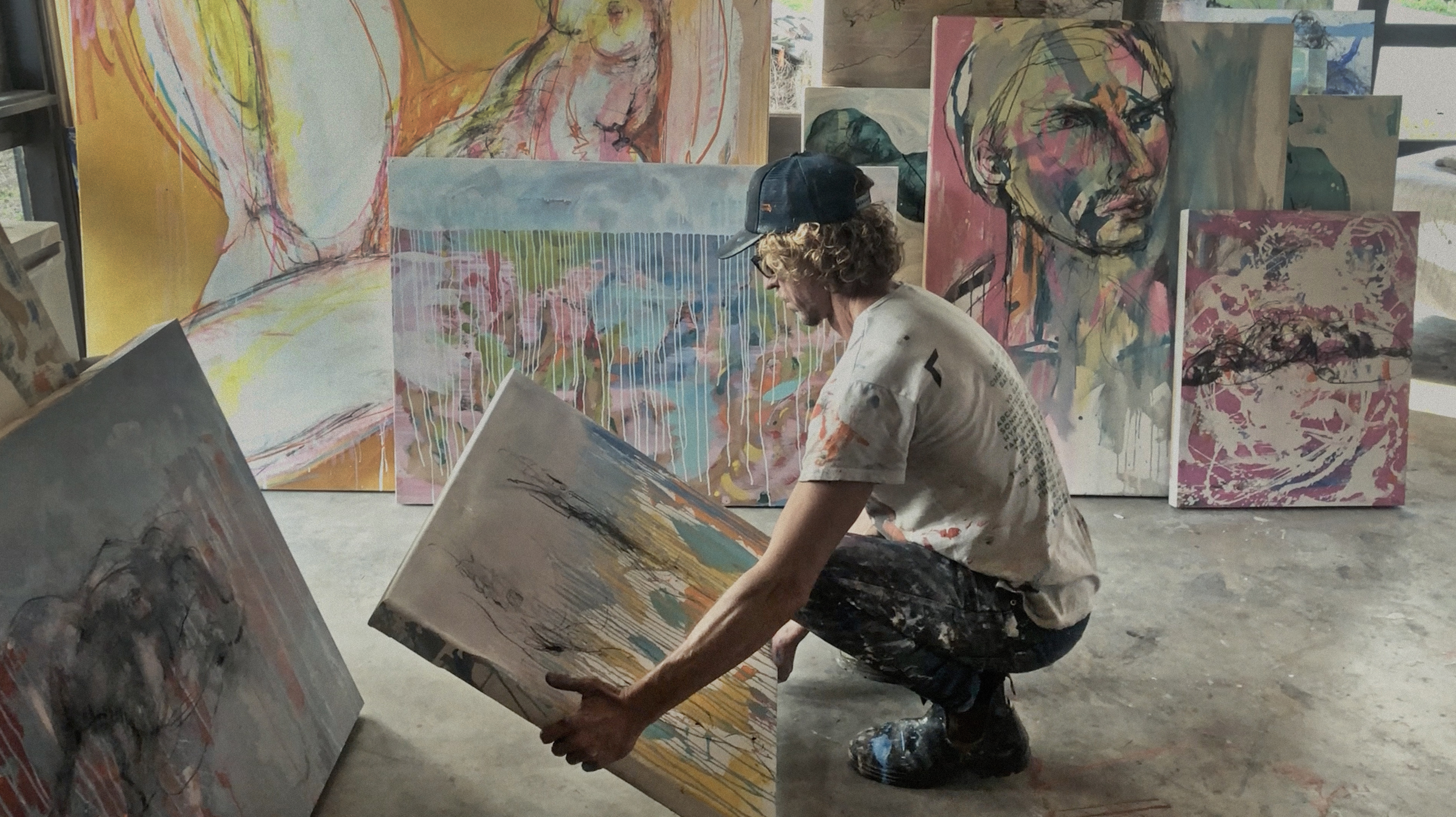
A Portrait of Love Still 4
BEAMAFILM: What do you hope audiences will take away from A Portrait of Love—particularly viewers who may be discovering Craig Ruddy and his work for the first time?
REYNOLDS: If anything, I hope this documentary reminds people to celebrate life and make the most of it, as Craig and Roberto did - and as Roberto still does. It feels wilfully self-limiting and reductive to lead the lesser life. Life is necessarily hard, but that shouldn’t be a deterrent to trying to live it well.
BEAMAFILM: Finally, are you currently developing any new films or creative projects that you would like to share with the Beamafilm audience?
REYNOLDS: It never fails to surprise me how projects come into being. There can be those projects which you spend years developing, and they come to nothing, and then there are those, like A Portrait of Love, that come into being like a bolt of lightning. Regardless, I’m constantly interrogating the world around me for opportunities as well as heeding the advice of a former Head of ABC TV, which is to make sure you’ve got a few balls in the air because you’ll be lucky if just one of them lands. In other words, right now I have a few balls in the air, and I’m busy working one or even two of them down.
Thank you so much, Molly. We really appreciate you sharing these fascinating insights into the making of A Portrait of Love with the Beamafilm audience and for trusting us with your remarkable film. Wishing you all the very best with your next projects - we'll be keenly watching those balls in the air to see which ones you end up working on.
Stream A Portrait of Love on Beamafilm here: https://beamafilm.com/watch/a-portrait-of-love
Watch 'A Portrait of Love' on Beamafilm here!

director,interview,molly reynolds,lgbtqi,craig ruddy,roberto meza mont,art,a portrait of love