
Exclusive Interview with Claire Pasvolsky: director of Three Chords & the Truth
Exclusive Interview
|
Louise van Rooyen - Beamafilm
|
22/05/2026
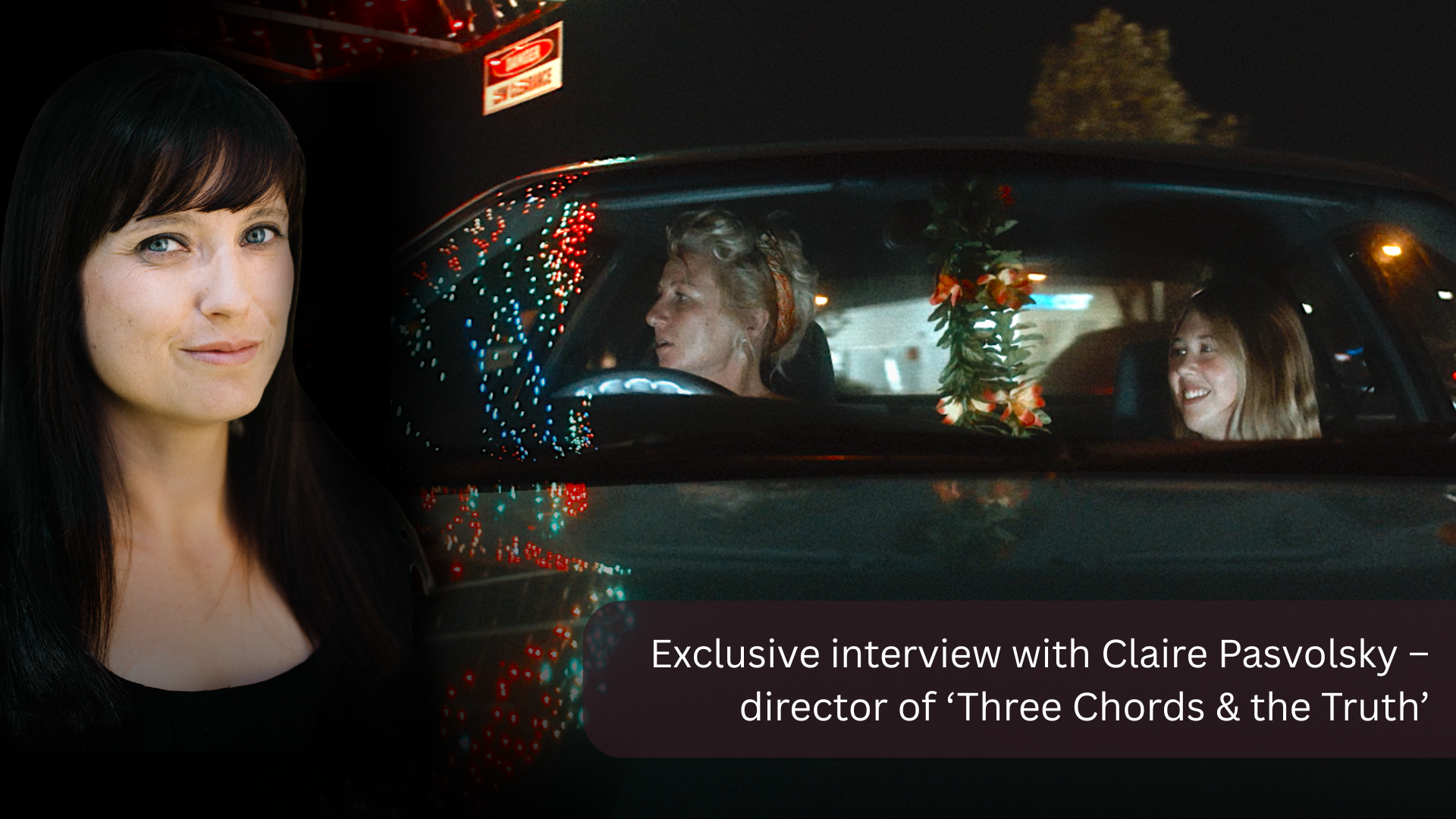
Journey behind the scenes to find out more about Three Chords and the Truth.
Watch 'Three Chords and the Truth' on Beamafilm now!
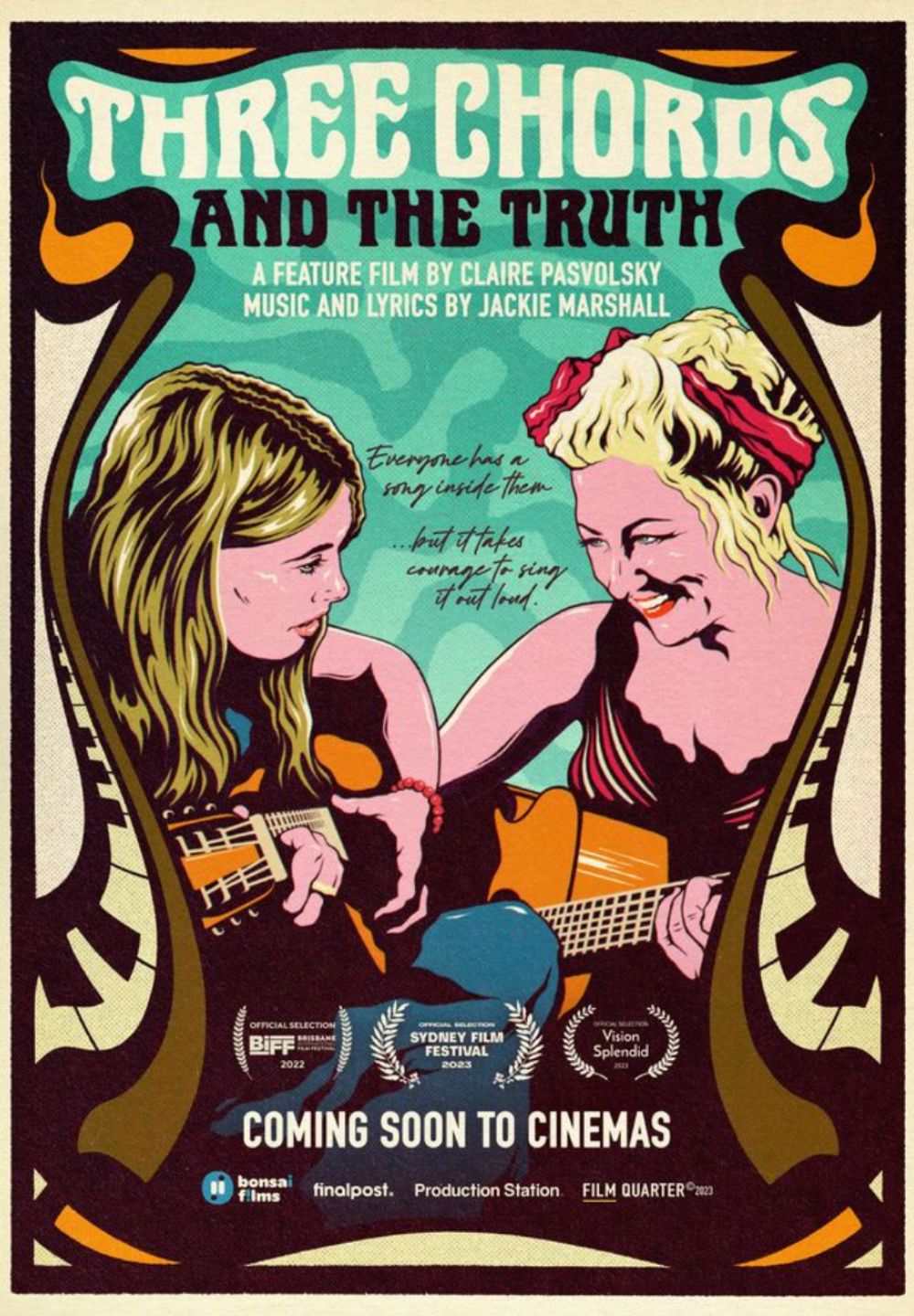
Available for subscribers
Available for rental
A musician’s unexpected bond with a teenage runaway helps her write a song that allows them both to confront their pasts.
Director:
Claire Pasvolsky's bold debut feature, Three Chords and the Truth, premiered at Sydney Film Festival and won the Australian Directors’ Guild (ADG) Award for Best Direction in a Feature Film (Budget under $1M) in 2023.
BEAMAFILM: Congratulations, Claire, on winning the ADG Best Director Award for 'Three Chords and the Truth'.
PASVOLSKY: Thank you, it was great to get that recognition from the Australian Directors’ Guild. When you mostly work independently, it is wonderful when those experiences happen.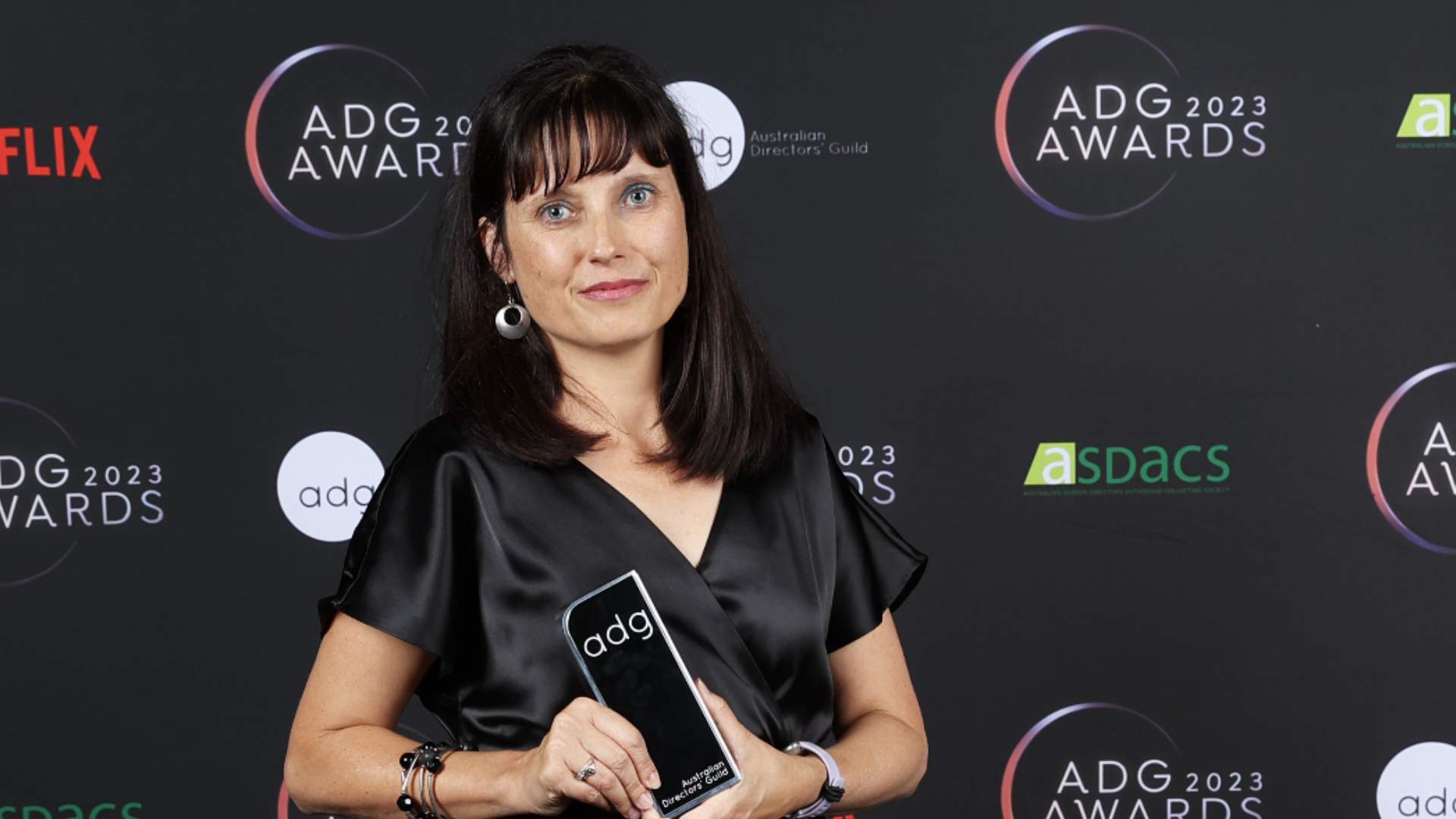
Clair Pasvolsky ADG Award
BEAMAFILM: We’d like to begin this interview by asking what inspired you to make your film. What first drew you to this story, and why did it feel important to make it?
PASVOLSKY: I wanted to make a film about a young person in a dire situation, and an older person who helps them with absolutely no agenda. It began with the concept that if someone believes in you at a young age, it can potentially change the direction of your life.
It started as that kind of loose concept, and at the time, back in October 2020, my husband Steve Pasvolsky and I were brainstorming about what kind of low budget independent feature we could potentially make ourselves…he suggested the film be about a teenage boy and an older man and I randomly said “No, it should be a young girl and an older woman…and it should be a musical and Jackie Marshall should play the woman.” Steve said, “That’s a great idea, but whatever you do, don’t call her - we need to talk more about this.” I phoned her that afternoon, and we started talking about possibilities, and within six weeks, she had arrived in her little red car, driving down from Brisbane to Newcastle, where we lived at the time, and we were making a movie.
I had worked with Jackie very briefly on my short film Big Sky Girls, but I didn’t really know her at all. That film was about mentorship in music, and in many ways, it drove the essence of ‘Three Chords and the Truth’- in terms of the intimacy of songwriting and how it is potentially a mechanism for healing trauma. I had images and ideas in my head at the beginning of the process, like the young girl being homeless and the older woman deliberately leaving her car unlocked so that she had a place to sleep.
I don’t think, at the time, Steve and I were thinking it was an important film to make. We just wanted to make a film, and the traditional avenues of getting something financed were not happening. I think the importance of the film in terms of the explorations into mental health, creativity, trauma, and connection only became clear once the film was in post-production, and then, later, seeing how it emotionally affected audiences.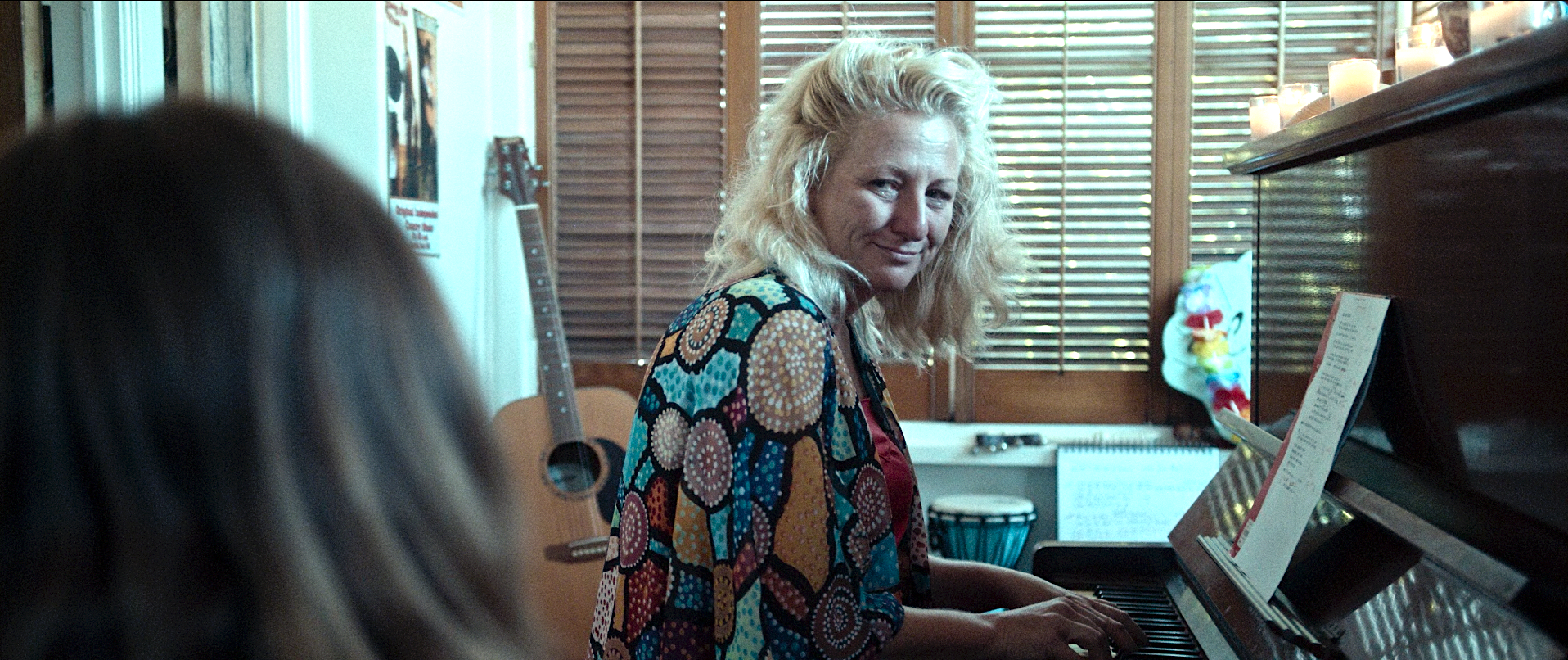
Angie apology song
BEAMAFILM: The film’s title, ‘Three Chords and the Truth’, references simplicity and honesty in songwriting, and it carries an emotional and cultural resonance. What does it mean to you personally, and why did you decide to make this the title of your film?
PASVOLSKY: It’s a line attributed to legendary Nashville songwriter Harlan Howard about how emotional and structural simplicity makes country music so powerful. I liked that idea, partly because we were making a small independent film and wanted the music to feel intimate and “real”, just as the story itself is quite simple and emotionally raw.
There is also a recurring theme of “three” throughout the film, not only the three chords, but also the three characters and repeated sequences, such as the characters swimming at the baths, the studio scenes, and the piano numbers, all appearing three times within the narrative. That quote resonates with me in terms of sincerity. I like films that feel naturalistic and performances that feel authentic, rather than works that are bigger, more polished, or more cultivated.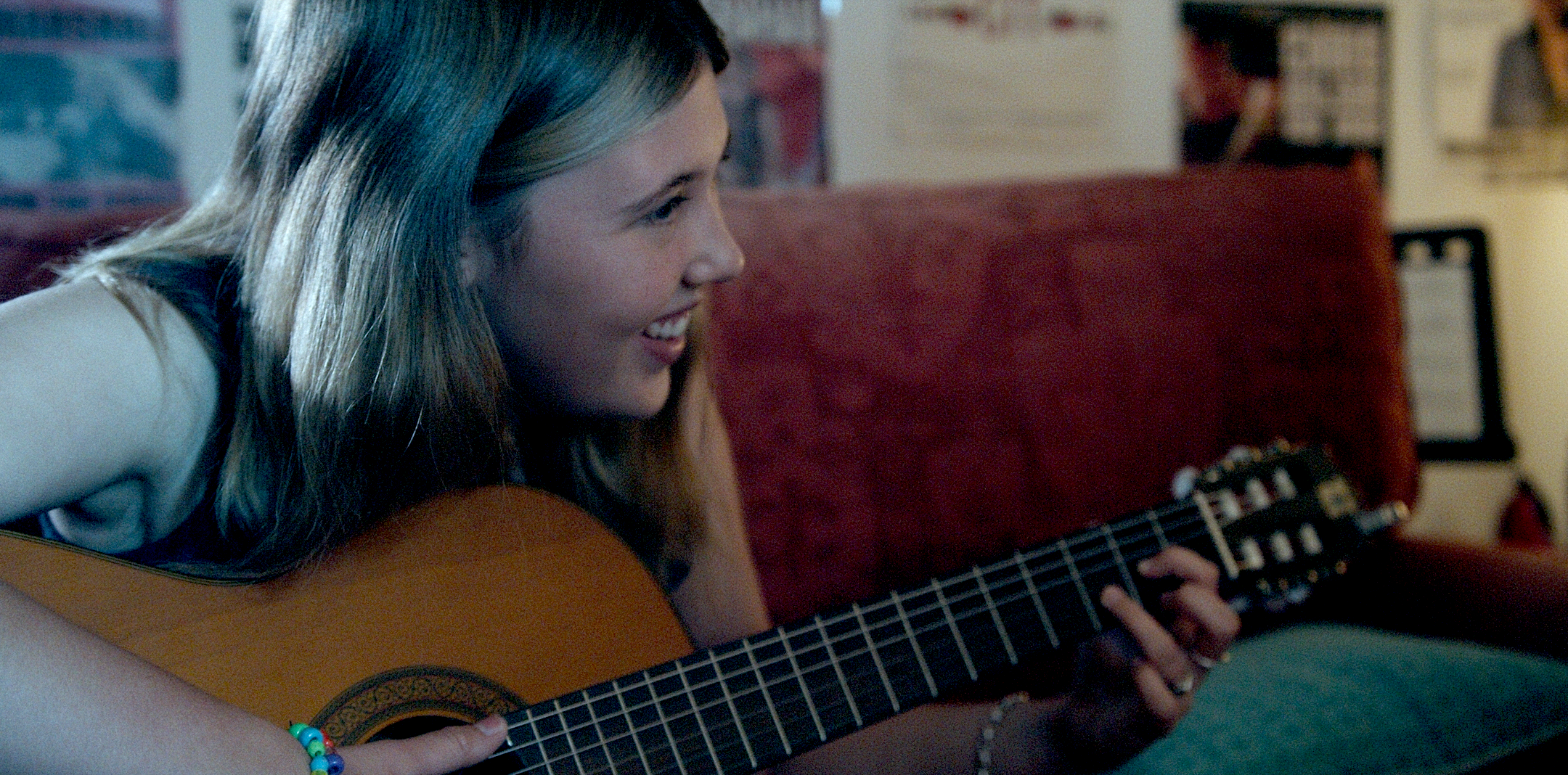
Ruby learns 3 chords
BEAMAFILM: The film feels deeply personal and emotionally lived in. How much of the story emerged from observation versus imagination?
PASVOLSKY: We actually shot the film in our own home. We were initially going to rent a house for Angie’s home, but it actually turned out to work in our favour. Our home literally was lived in by cast and crew for close to four weeks!
When I first sat down with Jackie over Zoom, I had a rough outline for the film and the character of Angie she'd be playing. We had a very short amount of time between having the idea and the window we had to shoot, so development was unusually rapid.
Once I started speaking to Jackie, elements of her own story naturally came out - having her first cancer diagnosis at seventeen, a great deal of trauma and close calls, followed by recurring breast cancer. With her permission, parts of her own life began to naturally merge with the character of Angie.
These elements of truth from Jackie’s life informed the decision to make her character have a terminal diagnosis of cancer, which she decides to keep secret from everyone, including her new friend Ruby. Jackie didn’t have a terminal diagnosis, but that story point ended up becoming the driving force of the whole film - the main character doesn’t tell the truth, although she encourages Ruby to do so.
It is also the catalyst for Angie to finish her final album, no matter what, the idea of not dying with your music still in you, whatever that means for you.
I ended up having to do production design on the film, and we used so many of the personal objects that belonged to Jackie and Maisie. These personal connections to objects, photographs, and trinkets gave the actors further ownership of their characters.
BEAMAFILM: Music plays such a powerful emotional role in the film alongside the many other themes. Given how the film evolved with Jackie Marshall's involvement, was her story and her music always quite central to the storytelling from the beginning?
PASVOLSKY: We brought Jackie onto the project immediately, and her story began to inform the character of Angie, but I consider Angie to be separate from Jackie. Jackie owned all of her music, so she allowed us access to anything in her catalogue, and she also wrote several new songs for the film.
I remember she told me in our first meeting that, when she was a younger performer, major record companies were considering signing her, but she would never sing the same song the same way and regretted self-sabotaging some major opportunities. This character trait was something I elaborated on in the characterisation of Angie and took further, in terms of the character ruining countless relationships, isolating herself, and having a temperament marked by unpredictability and volatility. At the beginning of the film, she walks out of a pub in the middle of a gig. I’m fascinated by characters who don’t do things in “normal ways” and by exploring stories about mavericks and outsiders.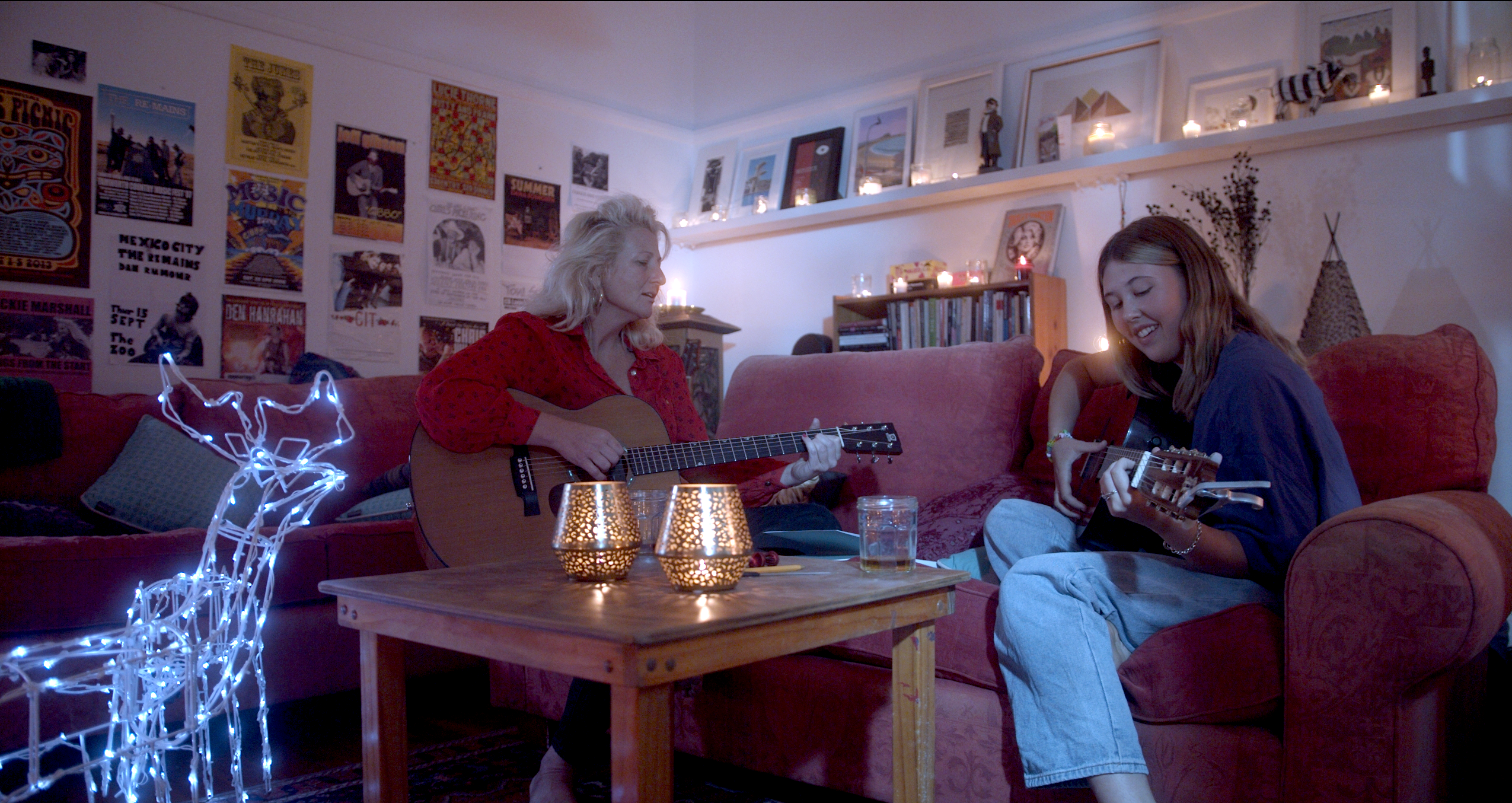
Angie Ruby Duet
BEAMAFILM: What was it like working with the film cast, and how did you get them interested in the project?
PASVOLSKY: Matthew L. Heys, who plays Ruby’s father, is an actor I'd worked with in theatre and had a great collaborative relationship with. I think I went straight to him to discuss the role. At the time, he hadn’t worked in film, but he’s an experienced stage actor, and he agreed to do it.
Timothy Blundell is a local Newcastle actor I’d known for decades and had always wanted to work with, and he was wonderful.
For the character of Ruby, we auditioned about twenty different actresses. I think Maisie was the last actor we saw that day, and what I liked about her was not only her professionalism and the way she took direction, but also that, although she was older than most of the other auditionees, I think she was twenty at the time, she had this baby face that was a mixture of innocence and curiosity.
With Jackie, it was really just that first phone call that got the ball rolling, and casting Jackie, who had never acted before, was a risk, so having experienced, trained actors like Matt, Tim, and Maisie created a solid balance.
BEAMAFILM: The performances feel incredibly natural and intimate. How did you work with the cast to achieve that authenticity?
PASVOLSKY: I was lucky to schedule several days of rehearsal before we started filming. A lot of that time was spent trying to connect Jackie and Maisie and establish a way of working together.
I always spend time with actors one-on-one to build a working relationship based on trust and communication. I had to show Jackie that acting is actually about doing less rather than more, aiming for subtlety rather than the obvious. She picked this up quite quickly and understood how much can be conveyed visually through a thought rather than a cultivated “performance”.
This naturalistic approach was instinctive for the others and, often, I would have the actors forget the text before a shot and simply come up with their own words to convey the desire, emotion, and essence of their characters, and connect with their fellow actors. We’d then shoot the scene with the intended dialogue, but sometimes their own impulses would naturally make an appearance, and often those takes were the ones we used. I think the most important role of the director is to make actors feel safe so they can access their highest levels of creativity and freedom in performance. I’ve seen so many directors stress actors out and make them doubt themselves, and that’s the worst position for an actor to be in.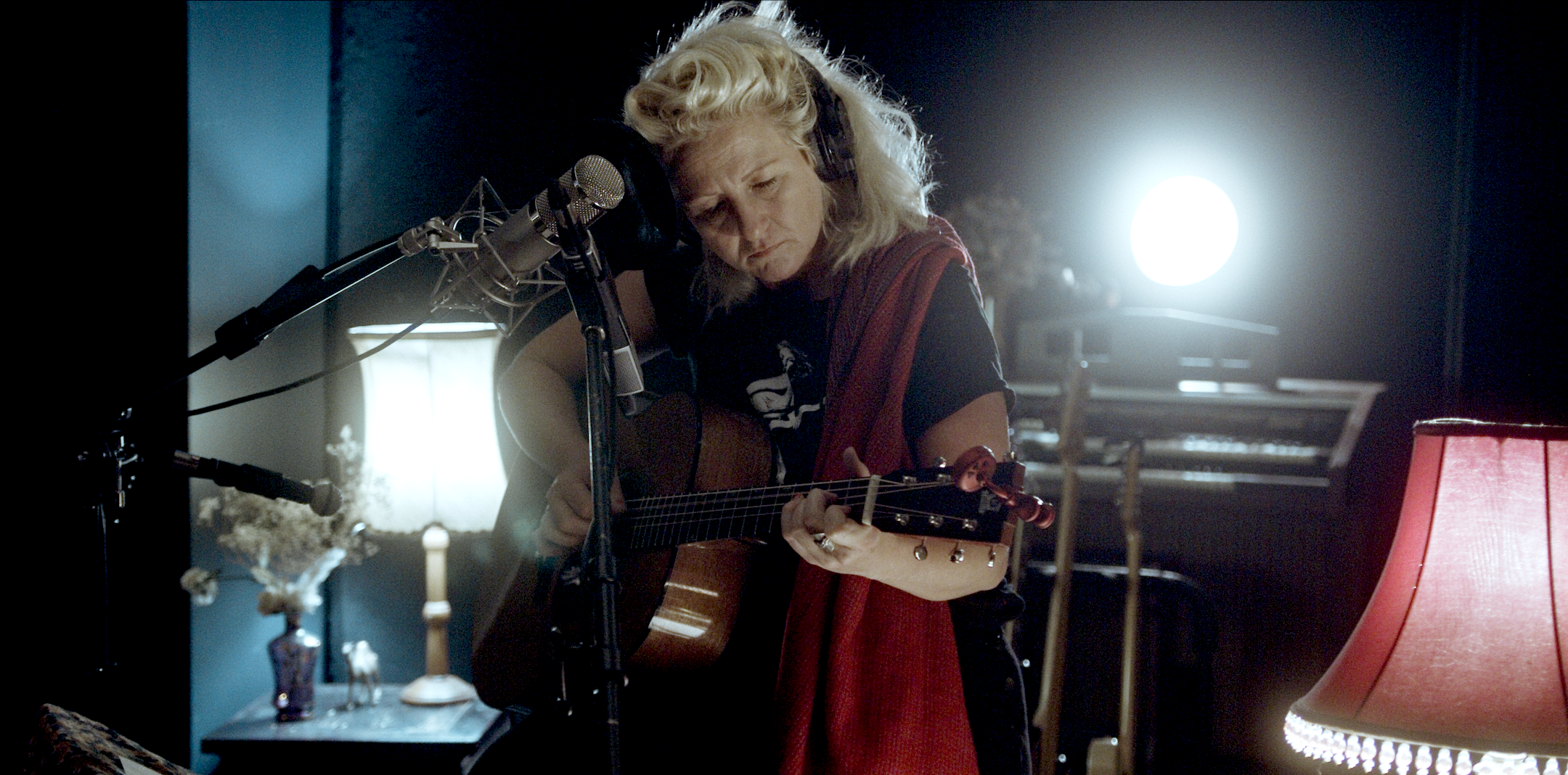
Angie Studio
BEAMAFILM: Were there particular moments in the film that evolved significantly during rehearsals or production?
PASVOLSKY: Probably everything. When we did the contained filming of the scenes in Angie’s house, that was quite straightforward. It was once we had to go outside for shoots on the streets at night, and on trains and in pubs, that things got more hectic. Doing all the pub gigs over two days and having to deal with drunken patrons and countless extras while keeping our cast and crew safe was intense, but luckily it all worked out in the edit!
I think the fact that the film seems so “real” is because it is. The Hare Krishna on Beaumont Street, when Ruby walks past him, chanting, was there on the night, and he was a lovely guy who agreed to be in the film.
The drunken hooligans on the train platform who harass Ruby at the beginning of the film were the real deal and actually turned out to be excited to be in the film. They even came along to a screening. There were a lot of happy accidents that ended up making their way into the final film.
BEAMAFILM: The film explores vulnerability without melodrama. How difficult is it to strike that balance as a director?
PASVOLSKY: I think that probably comes down to the naturalistic performances. There are also a lot of moments where we shot both Ruby and Angie alone, allowing them to live within that vulnerability.
For example, Ruby, homeless and exhausted, desperately tries to get into empty cars on a suburban street, looking for somewhere to sleep. The moment she finally gets into the car and curls up in a ball is beyond comprehension for most people.
I never really thought about melodrama. It was more about the actor imagining themselves in these situations and then “feeling” into them. I would take the actor aside and talk through the internal thoughts of the character, how they could relate to the situation, and what it felt like physically in the body to experience these moments of vulnerability.
There is also minimal dialogue in the film, with many moments of emotion conveyed silently by the actors, usually in isolation. When Ruby first meets Angie, she doesn’t understand her. They seemingly have nothing in common, and their connection is random. Ruby responds to Angie’s kindness and generosity with suspicion, which is expressed mostly through silent reactions, evasive answers, and non-verbal communication. This changes, of course, as the characters get to know each other, but even then, dialogue is used sparingly.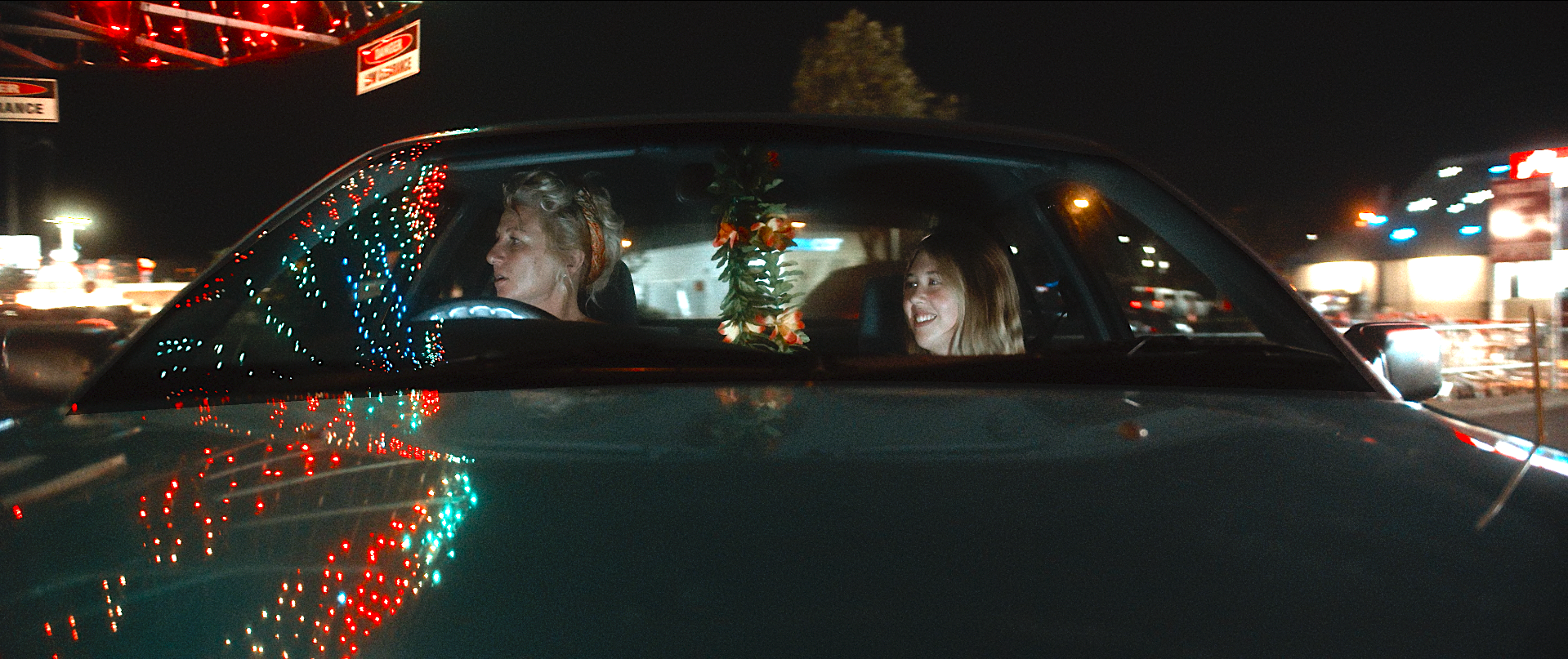
Drive Xmas1
BEAMAFILM: How did you approach integrating music into the emotional rhythm of the film rather than simply using it as accompaniment?
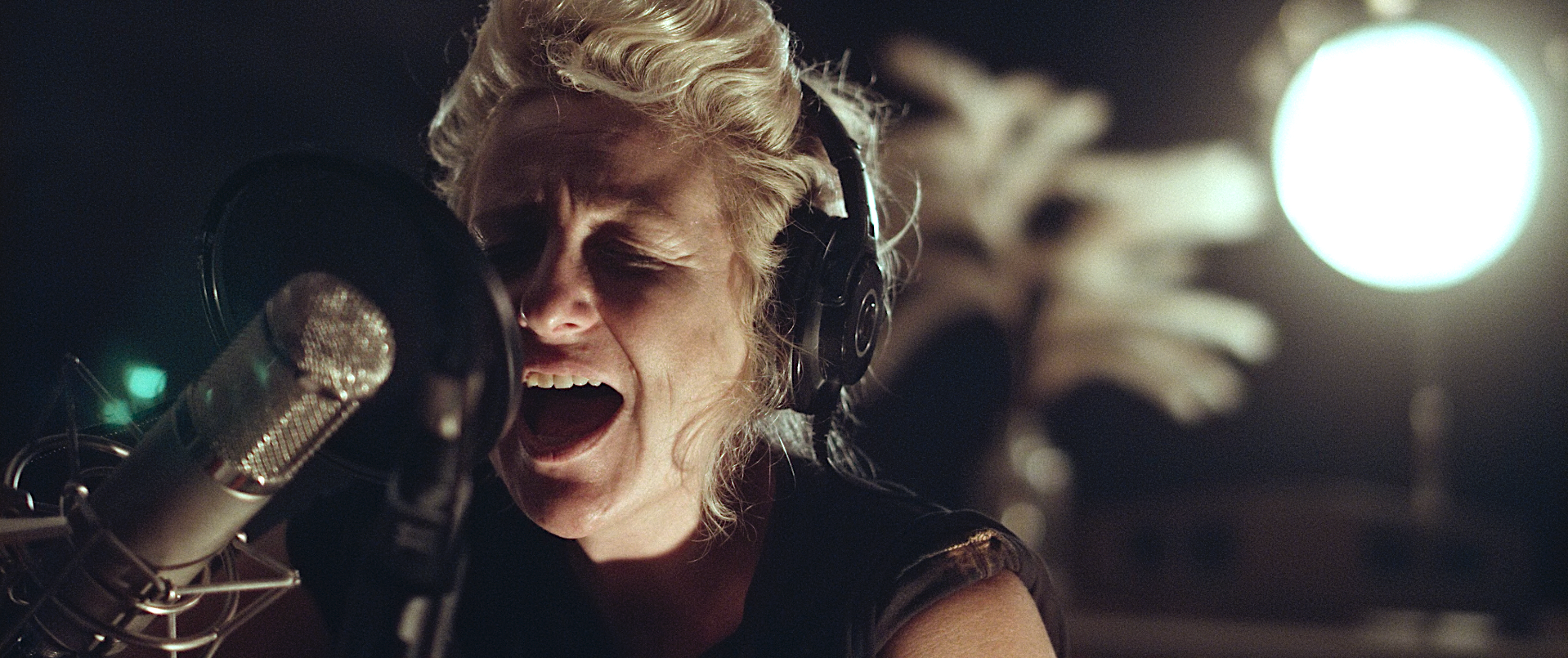
PASVOLSKY: I wanted Angie’s music to feel live, real and fully embedded in the storytelling.
When we open with the pub gig, we’re introducing the audience to our lead character, she’s playing, she’s talented, she’s jaded, she’s drinking and nobody’s listening. She then goes home, plays a beautiful song to herself and continues drinking whiskey alone.
The “live” musical numbers are usually intercut with story, which drives the action forward while also reflecting both characters’ perspectives.
The complete performances happen when the characters are together, such as when Angie and Ruby sing the duet by candlelight (after the electricity has been switched off), and when Angie sings Ruby 'The Apology Song' towards the end of the film.
When these full songs are performed, they essentially become a form of dialogue between the characters themselves. The lyrics of those particular songs reveal truths about who they are.
Ultimately, it’s the story of a musician, so I wanted the performances and the music to feel completely real and to happen in the moment, which they did.
BEAMAFILM: Were there specific artists, genres, or Australian musical traditions that influenced the tone of the film?
PASVOLSKY: Close to twenty years ago, I saw the Irish singer Mary Coughlan performing in Sydney while she was touring, at The Cat and Fiddle in Balmain. It was a very intimate show, and I loved the way she would tell personal stories between songs, many of them about addiction and grief, and she really planted a seed in my mind: themes of addiction, music and isolation.
My favourite singers tend to have a lot of character in their voices, like Tom Waits, or go to deeply personal places, like Tori Amos, putting their whole selves into the music. I also love Alison Moyet and Annie Lennox, completely different artists, but both incredible performers with distinctive voices.
The music in Three Chords and the Truth was informed by Jackie’s music. Once she became involved and I did a deep dive into her catalogue, her music began to inspire the story, the character of Angie and the fabric of the whole film. I guess if it had been a different artist, that would have driven an entirely different narrative and tone.
I love Joan Wasser’s music, voice and energy. I really like the concept of choosing a musician, or musicians, and building a creative work around them. I have other ideas for future films and projects, but that will depend on many different factors.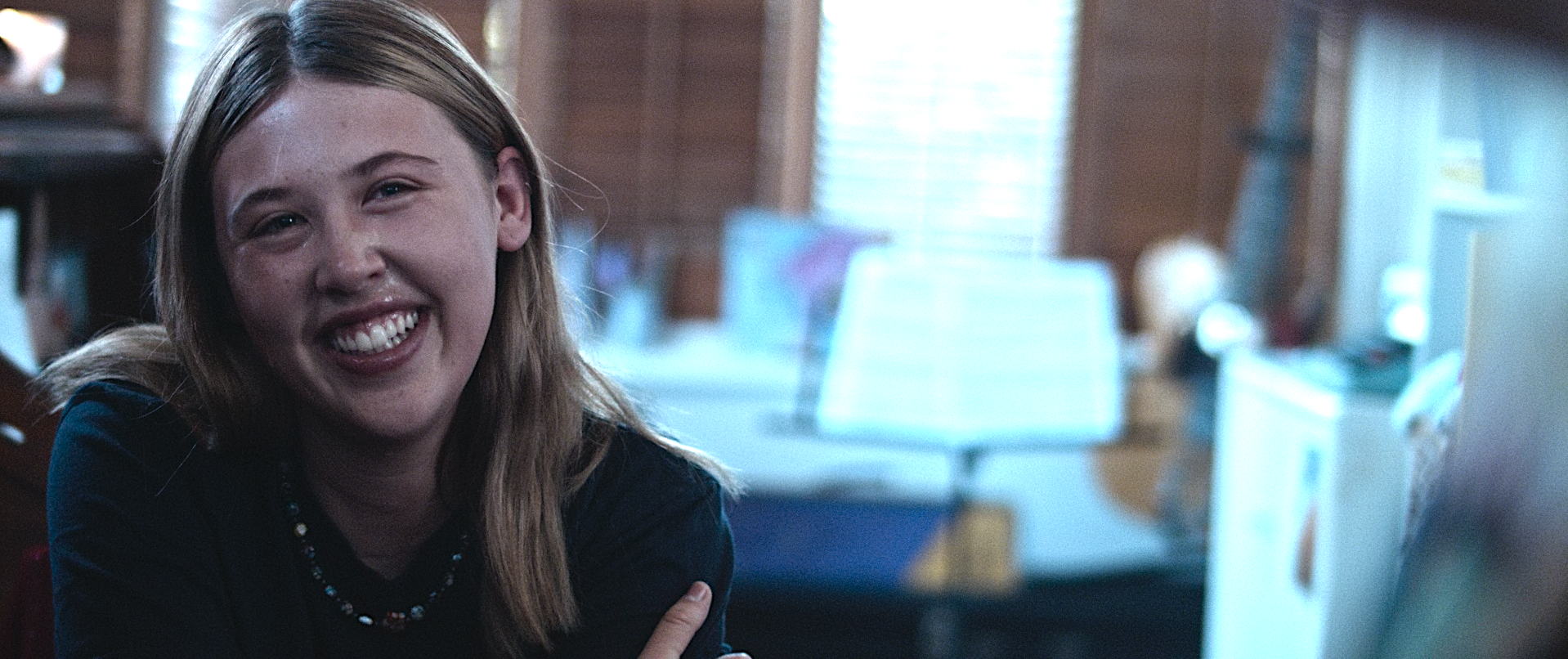
Ruby Damn Song
BEAMAFILM: The film feels distinctly Australian without leaning into cliché. Was capturing that sense of place important to you?
PASVOLSKY: I never really thought about it as being an Australian film. I grew up in Newcastle, where Three Chords is shot and set, and I remember the first time I drove out to Carrington, where the pub scenes were filmed both externally and internally.
Carrington is so close to the CBD, but you cross a bridge to get there and I remember thinking I’d walked onto a film set. The main street feels like a country town and I’d wanted to shoot there ever since.
Newcastle itself is such a visually contrasting place, with the grit of industrial buildings and factories alongside stunning beaches and coastal walks. A lot of Novocastrians (people who live in Newcastle) were pleased with how the city was depicted visually, which was a great compliment.
There’s also a lot of space in Newcastle and often a feeling of emptiness because the population is spread out. I think what I was aiming for in the film was a feeling that this character exists in a place that is bigger than a small town, but not quite a major city.
BEAMAFILM: Many Australian films deal with isolation, longing, and reinvention, themes that also appear here. Do you see the film as part of that broader Australian film tradition?
PASVOLSKY: Yes, I suppose so, but I don’t think those themes are distinctly Australian. I suppose because of our geographic location, being so far away from Europe and the US, and the vastness of our landscape, there is that sense of separation and being apart from other things. I hadn’t really thought of Three Chords as belonging to an Australian film tradition, but it’s actually nice to think about it that way.
The three main characters in Three Chords and the Truth are all isolated, and it’s not until Angie and Ruby’s paths cross by chance that they find each other. When I was exploring these ideas, I was really leaning into the character of Angie and the isolation that can come with being a creative person. Of course, not all artists are lonely or work alone, but it’s something I’ve experienced profoundly, especially during the writing and development process. You are often working alone before you take your script or project to other people, and that can feel like running a marathon that never ends.
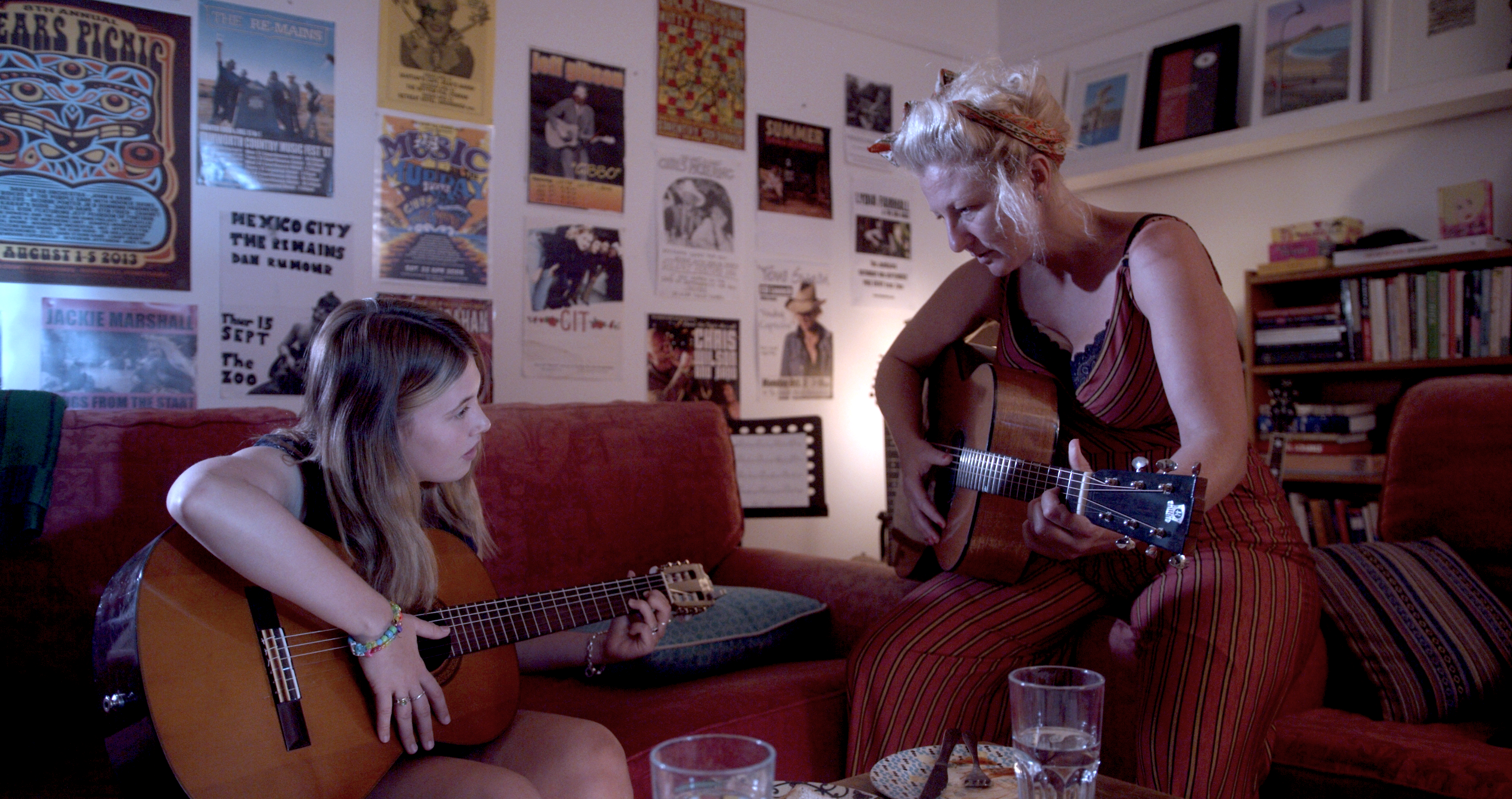
Ruby learns 3 chords with Angie
BEAMAFILM: I love that analogy, feeling like you're running a marathon that never ends! What were your biggest creative or production challenges in bringing the film to life?
PASVOLSKY: I would say that during production, the most challenging aspect was shooting the live music pub scenes. They were stressful, time-critical and logistically demanding.
In terms of post-production, having very little finance available to complete the film was also difficult. Budget-wise, working within financial constraints is limiting, but we had deliberately designed a streamlined film that we believed we could shoot in three weeks.
Once the rough cut was complete, we realised there were a few gaps in information that prevented the story from flowing as effectively as it could. We decided to go back and do a substantial pick-up shoot. This involved bringing Ruby’s memories of her mother into the film through flashback sequences, which I think was paramount to the effectiveness of the story. It made both Ruby’s motivations and her father’s behaviour clearer to the audience.
BEAMAFILM: Was there a particular scene that became the emotional anchor of the film for you?
PASVOLSKY: Almost all of the scenes are emotional to me! One that stands out, though, is the scene set a year into the future, when Angie has died, and Ruby is singing one of her songs in the pub.
That moment of confidence and independence, where Ruby is now fully herself, but is also acknowledging her mentor and performing to an appreciative audience (including her estranged father, with whom she's now reconciled), leaves the audience with a sense of hope.
Ruby is doing well and, when she smiles to herself at the end, the audience understands that she has come a long way and is now her own person. That moment stands out because so much of the film is emotionally difficult, but the final scenes leave the audience feeling hopeful and uplifted.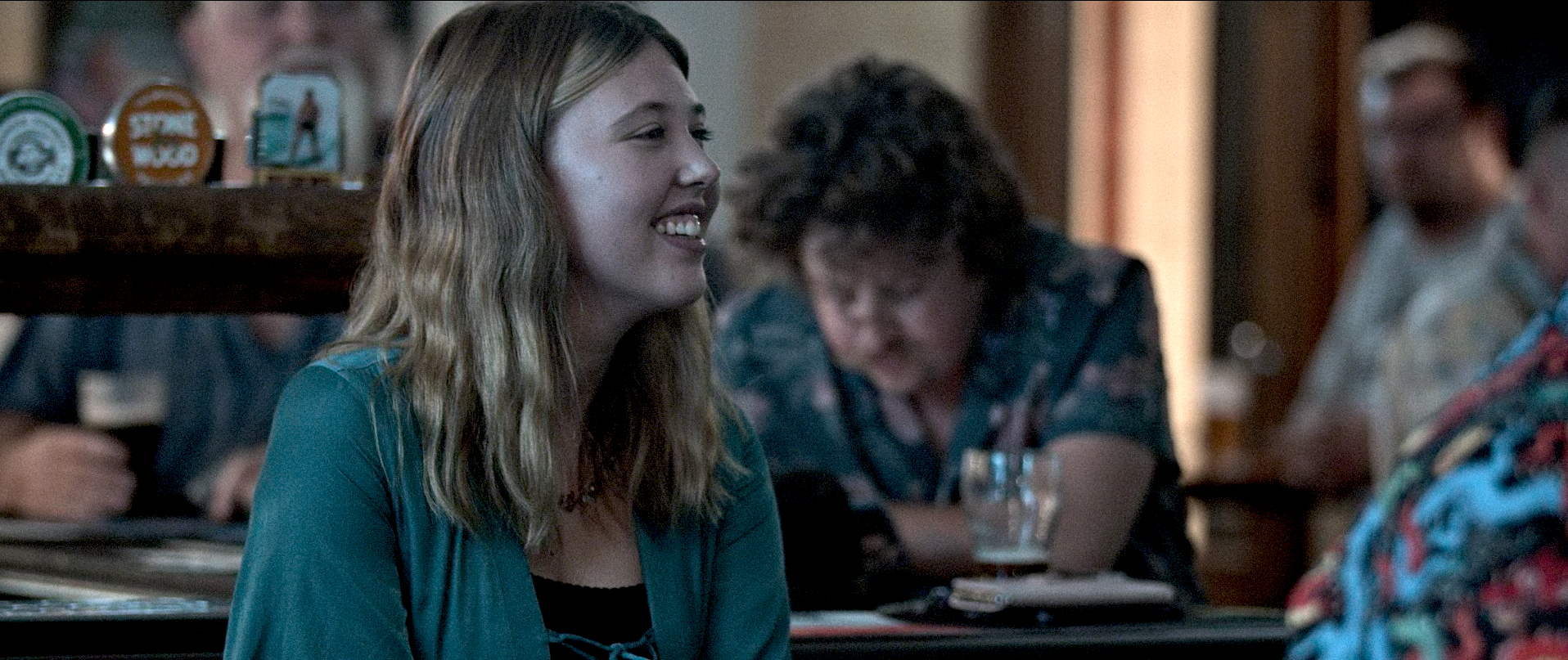
Ruby Pub audience
BEAMAFILM: Looking back now, did the finished film surprise you in any way?
PASVOLSKY: Knowing how close to impossible it is to get a film made, I’m just really happy that we were able to do it and that it reached as many people as it did. For such a small independent film, I think we managed to tell a story that genuinely resonated with audiences.
I’m really proud that Steve and I achieved this, that we made our own film and told it the way we wanted to tell it. If we’d gone down the traditional route of funding, I doubt it ever would have been made.
BEAMAFILM: What conversations do you hope audiences walk away with having after seeing the film?
PASVOLSKY: I’ve had feedback from quite a lot of people that the film has made a lasting impression on them and left them thinking about issues like trauma and mental health, as well as more hopeful themes such as mentorship and healing through music and creativity.
It was a great experience to tour nationally with the film and do Q&As in both major cities and regional areas, and to have deep conversations about what moved audiences. A lot of mothers and daughters came to see the film, which was lovely, but I also spoke to women who had lost their mothers at a young age and felt the film captured that profound loss in a very real way.
It’s always fascinating to hear how differently people interpret things. I also think the film reflects the financial struggle that many artists are forced to navigate. I remember a friend telling me she was deeply affected by the scene where Angie’s card gets declined while buying a small amount of groceries.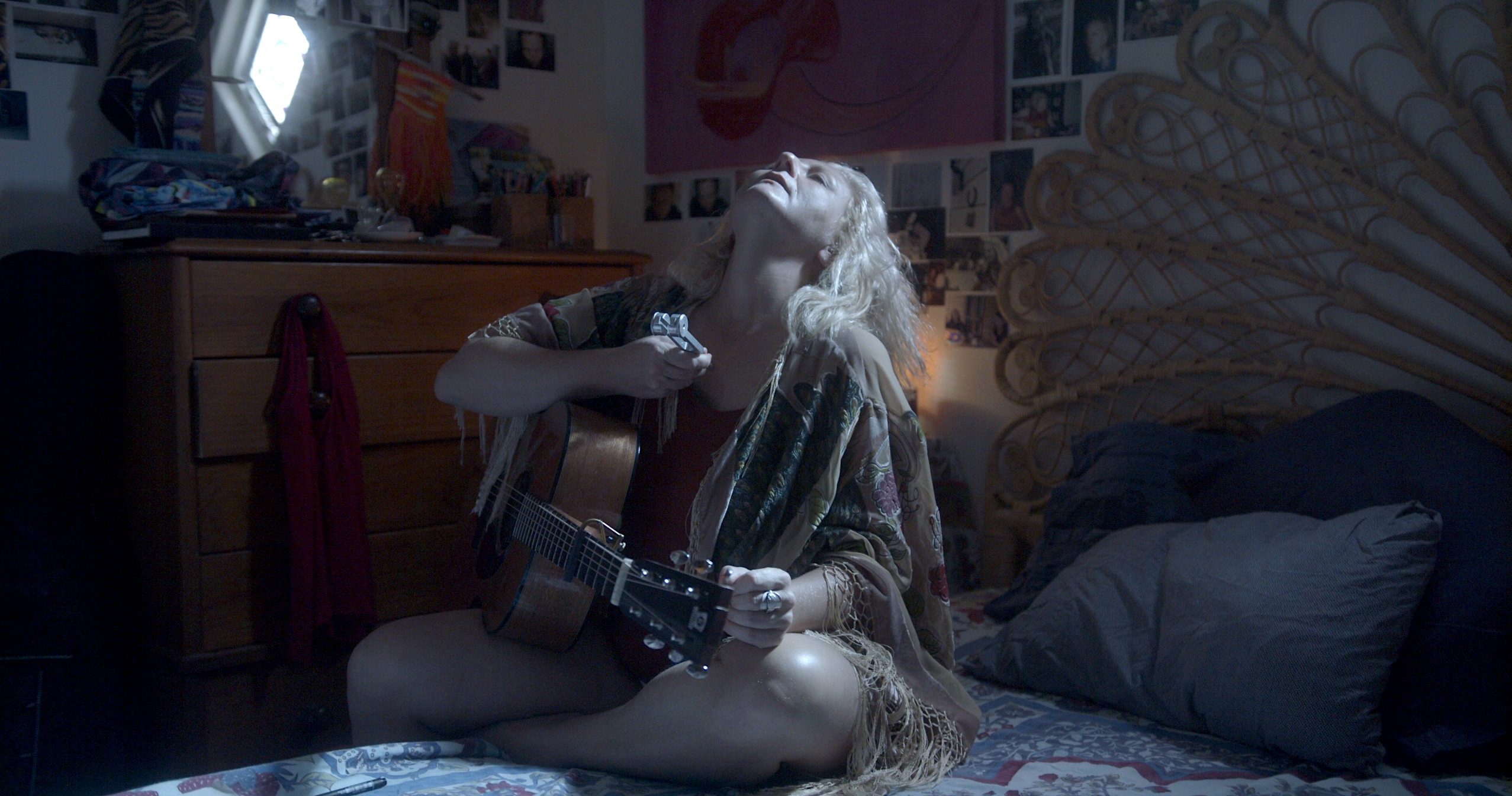
Tune Fork
BEAMAFILM: If the film had one enduring message or emotional truth, what would you hope it is?
PASVOLSKY: Don’t underestimate the importance of kindness. We can do so much for other people just by being there for them.
BEAMAFILM: What’s next for you creatively? Are there themes you feel drawn to continue exploring?
PASVOLSKY: My feature documentary The Policewoman, about high-profile Victoria Police detective Narelle Fraser, will be released later this year by Bonsai Films. Steve and I have been working on this film together for eight years, so it’s been a long journey, but I’m looking forward to audiences finally getting the chance to see it.
Alongside that, I’m writing an adaptation of Mandy Sayer’s biography Those Dashing McDonagh Sisters, as well as a music-based psychological thriller called Ingenue.
Both of those film projects are about creative women struggling to be seen and heard, so there’s definitely a connecting theme there.
I’m also developing two original television series.
Thank you so much for speaking with us today. We LOVE 'Three Chords and the Truth' and look forward to following the progress of your new films. Following your ADG Best Director win, it’s exciting to see you're continuing to explore stories of creative women striving to be seen and heard, and for us to watch one of Australia’s leading women directors continue bringing those voices to screen.
Watch 'Three Chords and the Truth' on Beamafilm here!
Angie boxer

director,interview,claire pasvolsky,music,three chords and the truth